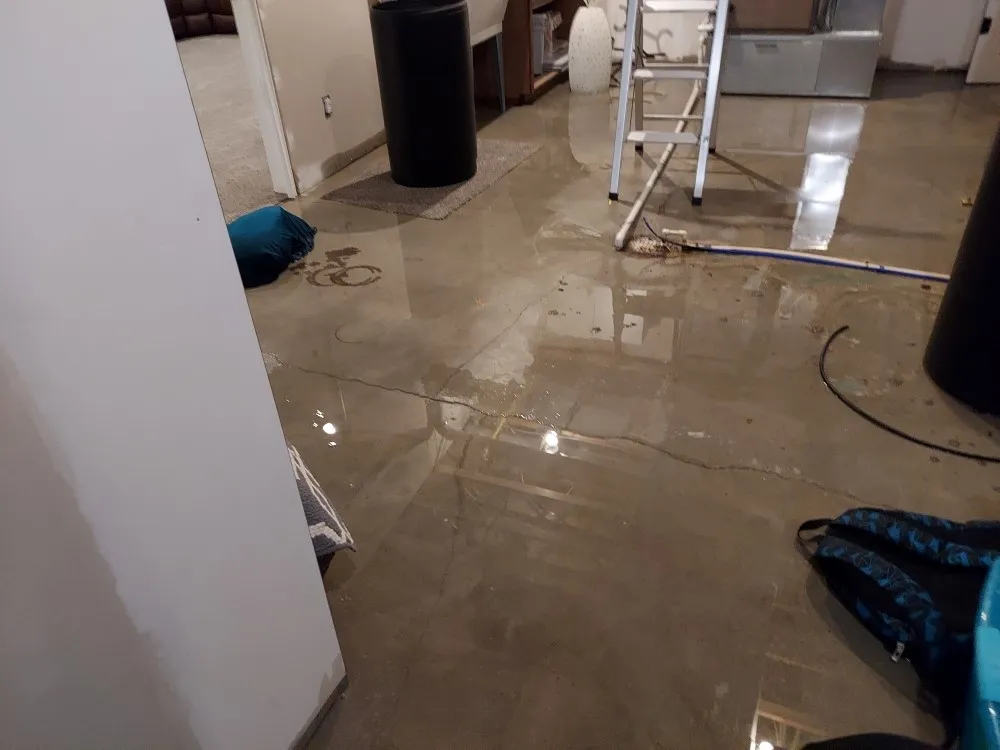
A sewer backup is one of the most destructive and hazardous emergencies a property owner can face. Unlike a clean water pipe burst, a sewage backup introduces highly toxic contaminants into your living or working space, demanding immediate, specialized action.
Whether you are in Kearney, Grand Island, Hastings, or surrounding South Central Nebraska communities, understanding the causes, severe health risks, and insurance implications of sewer damage is essential for protecting your property and your family.
1. The Primary Causes of Sewer Backups
Sewer line backups occur when a blockage prevents wastewater from flowing away from your home, forcing it backward through floor drains, toilets, and tubs. The most common culprits include:
- Tree Root Intrusion: Tree roots are naturally drawn to the warmth and moisture of sewer lines. They can penetrate small cracks or joints in clay, concrete, or cast iron lateral pipes, growing into dense root balls that completely block the flow.
- Physical Blockages (FOG & Wipes): Fats, oils, and grease (FOG) poured down kitchen sinks cool and solidify inside pipes. When combined with “flushable” wipes—which do not break down like toilet paper—they form rock-hard obstructions.
- Heavy Rainfall & Stormwater Overload: During heavy Nebraska storms, municipal sewer systems can become overloaded with rainwater. If the city’s main sewer line cannot handle the volume, it can back up directly into residential basements.
- Collapsing or Sagging Pipes: Over time, shifting soil or aging materials can cause sewer lines to sag (creating a “belly” that collects debris) or collapse entirely.
2. The Biohazard Risks of Category 3 “Black Water”
In the restoration industry, water damage is classified by its level of contamination. Sewer backups are classified as Category 3 water, commonly known as “black water.”
[!WARNING] Severe Health Hazard: Category 3 water is highly unsanitary and contains dangerous pathogens, including bacteria (E. coli, Salmonella), viruses (Hepatitis A, rotavirus), and various parasites. Coming into contact with this water, or even breathing in airborne contaminants in the affected area, can lead to severe gastrointestinal illnesses, skin infections, and respiratory issues.
Because of the high biohazard risk:
- Never attempt to clean sewage with standard household vacuums or shop-vacs. Doing so aerosolizes bacteria, spreading contaminants into your heating and cooling system and throughout the rest of your home.
- Porous materials must be discarded. Carpets, carpet pads, drywall, and upholstered furniture that come into contact with sewage cannot be cleaned and must be safely removed and disposed of.
- Specialized sanitization is required. Hard surfaces must be cleaned, disinfected with EPA-registered hospital-grade biocides, and tested to ensure they are safe for occupancy.
3. Insurance Coverage: Standard Policies vs. Endorsements
Navigating insurance after a sewer backup can be complicated, and many homeowners are caught off guard by policy exclusions.
[!IMPORTANT] The Sewer Backup Endorsement: Standard homeowners and commercial property insurance policies do not cover sewer backups. Coverage for these events requires a specific rider or endorsement, often called a “Sewer Backup and Sump Pump Overflow Endorsement.” We highly recommend reviewing your policy with your local Nebraska insurance agent to verify this coverage is active.
The Homeowner’s Duty to Mitigate
Even if you have the proper endorsement, insurance policies require you to take immediate action to mitigate the loss. This means:
- You cannot leave standing sewage in your basement while waiting days for an adjuster.
- You must immediately contact a professional mitigation company like Yellow Van Cleaning & Restoration to extract the water and remove saturated materials.
- Our team will document the loss with moisture readings, dry logs, and photo documentation, providing your insurance carrier with a clear, professional package that supports your claim.
4. Immediate Steps to Take During a Sewer Emergency
If you experience a sewer backup, prioritize safety above all else:
- Evacuate the Area: Keep children, pets, and anyone with compromised immune systems away from the flooded rooms.
- Turn Off the Water: Do not flush toilets or run water down any drains in the house, as this will only add to the backup.
- Avoid Contact: If you must enter the area to retrieve items, wear rubber boots, gloves, and protective eyewear. Wash your hands thoroughly immediately afterward.
- Call the Experts: Contact Yellow Van Cleaning & Restoration immediately. Our emergency response crews are available 24/7/365 to handle containment, extraction, sanitization, and structural drying safely.